
Creative Profile: Artsite Contemporary
Artsite Contemporary is an independent, artist-run contemporary art gallery in Camperdown, Sydney, representing local and emerging to established mid-career Australian artists.
Interview with Curator/Director Madeleine Tuckfield-Carrano
What motivated you to set up Artsite and what is its history?
Artsite has operated as a curated studio exhibition space in Camperdown since 1994, building a program of exhibitions that have launched and sustained the careers of serious local artists. Artist demand for a more secure relationship led to representative opportunities in 2010, and the gallery has since built a reputation for offering high quality work, placing artists into public, private and regional gallery collections. From the outset, the decision was made not to offer un-curated rental or vanity exhibitions. Buyers and collectors are seeking value, longevity and credibility, and that position feels more relevant than ever.
How does your practice as an artist inform your work running a gallery and vice versa?
Being an artist means I understand intimately what it feels like to put work into the world, and that informs everything: the care taken in how work is presented; the responsibility to use quality materials that will endure; and the relationships we build over time.
Have your gallery management practices changed over time and if so, why? Is AI making a difference?
What hasn’t changed is the commitment to quality and long-term career development; that remains the compass. As for AI, my concern is less about the technology itself and more about what we risk losing if we allow it to replace genuine curatorial judgement and the process of an artist finding their voice.
What are the common problems galleries like yours have to deal with?
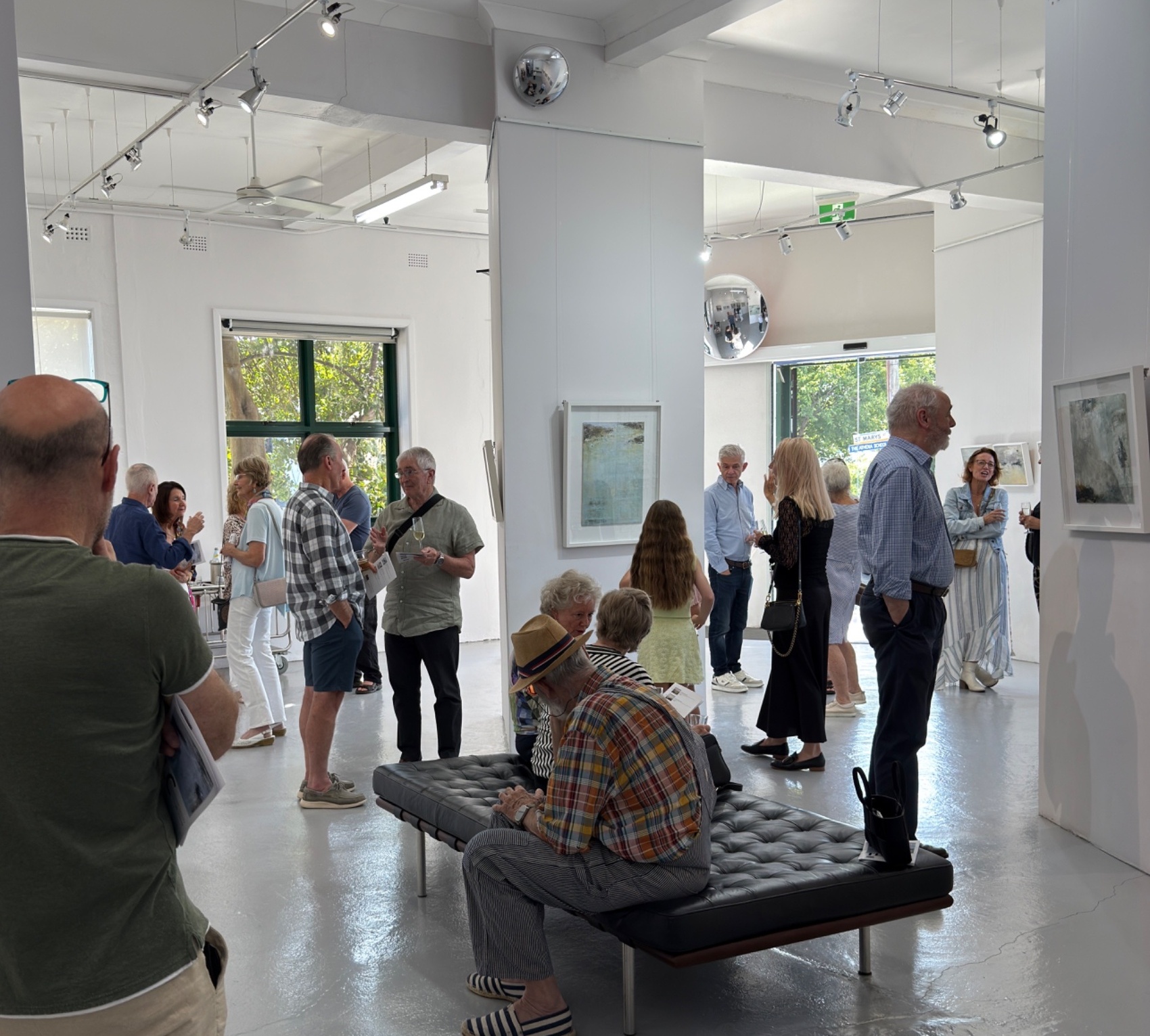
As an independent, artist-run gallery operating on a not-for-profit basis, there is no income stream beyond sales commissions, yet overheads including insurance, staffing and operating costs continue to multiply. Many galleries have already closed under this pressure. But perhaps the deeper challenge is cultural: encouraging people to ask not just whether a work fits the space, but whether it will still matter in twenty years.
Why have you chosen the Inner West as your locality?
Camperdown offers an accessible, unpretentious space where artists and their work can be experienced as they were meant to be - in the real, at full scale - at a time when art is increasingly encountered as a small image on a phone screen.
What is the nature of the relationship your gallery sets up with artists: services provided and commission charged on sales? How often do you offer artists an exhibition? And what other benefits do you provide?
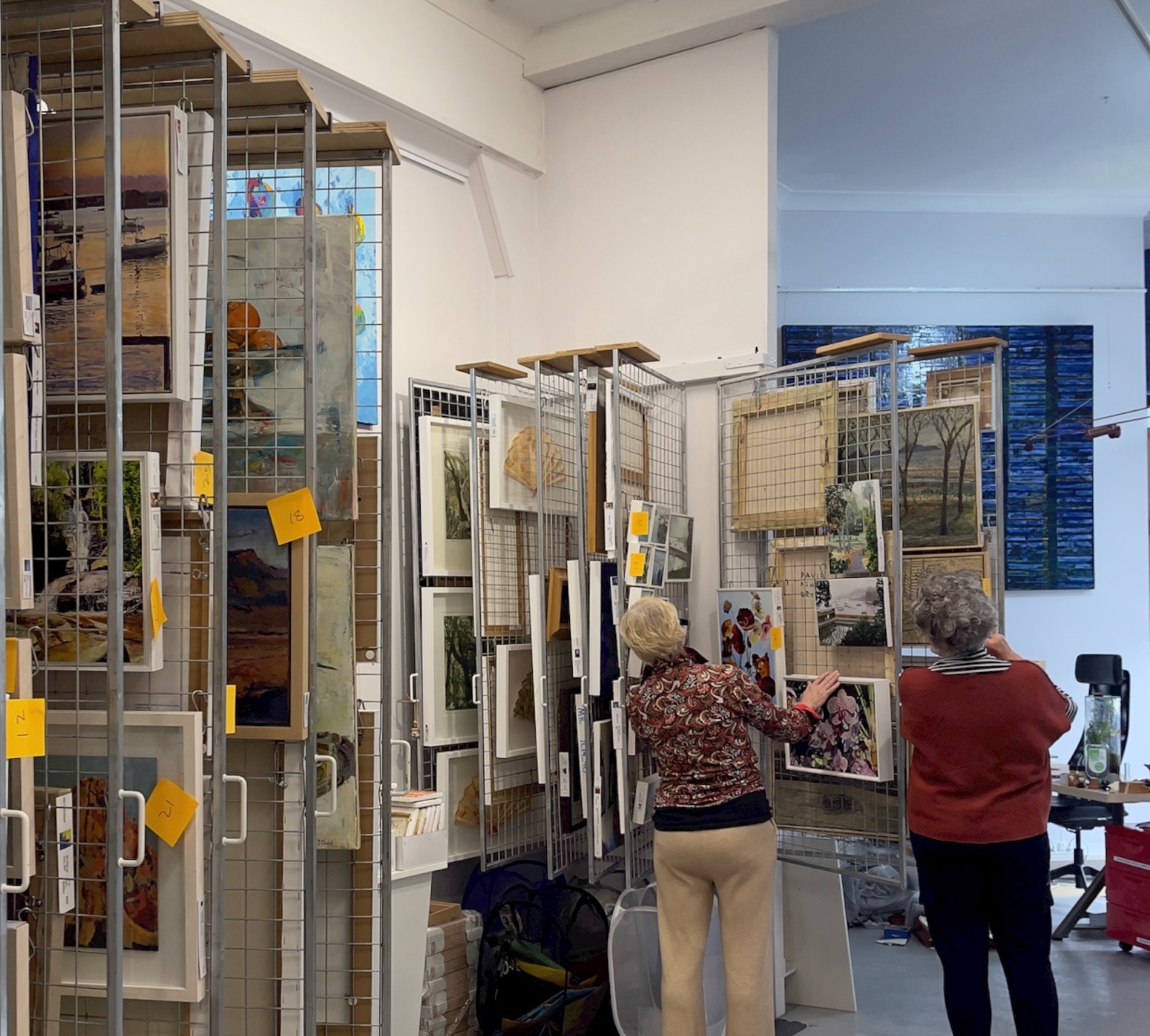
The relationship is one of partnership, but partnership implies mutual investment. We provide a professional platform, curatorial context and exhibition opportunities, but the artist brings something critical: their own reputation, sales history, and commitment to a professional profile that collectors can believe in. Red spots breed red spots, and for collectors, first time buyers and those choosing an original work over a mass-produced poster, they are the most immediate signal that an artist’s work has credibility and value in the market. A collector considering a work they may live with for the rest of their life brings a quality of scrutiny that goes well beyond what we assess in selecting an artist, and that is what makes the relationship between artist, gallery and collector so enduring. Commercial arrangements and exhibition frequency are discussed confidentially with artists.
How do you decide which artists you will work with? How many are currently in your ‘stable’?
We look for a distinct voice, artistic integrity and the potential to develop meaningfully over time. Quality of engagement matters far more to us than volume. We also actively support Indigenous art centres, providing a professionally curated context for their artists to reach new audiences.
What advice do you give artists about how to price their work?
Pricing is one of the most consequential decisions an artist makes because ultimately, the price of your work is the price of your reputation. Prices should be grounded in the artist’s own sales history over the last three to five years, and professional profile. You can move incrementally upward as reputation grows, but you cannot move prices down without consequence. Overpricing early in a career creates a credibility gap that is very difficult to recover from. Gallery commission reflects the true cost of professional services, infrastructure and expertise brought to every sale. Artists who sell directly rarely account honestly for those same costs absorbed in their own time and overheads, making it far less clear cut than it appears. Consistency is everything. The price is the same regardless of who is asking, and the moment an artist offers discounts or exceptions, they erode something far more easily lost than won.
What are some of the most common mistakes made by artists in trying to run their business?
The most fundamental is not recognising that being an artist is a business. Exceptional work alone is not sufficient, and the failure to invest in professional infrastructure, pricing discipline and long-term relationships with galleries and collectors is where most careers quietly stall.
What sort of buyers do you try to attract and what services do you offer them?
We are not salespeople - the work either engages the imagination of the visitor, or it does not - but we offer every buyer, from first time purchasers to seasoned collectors, an unhurried environment and honest conversation about the artists and the value of what they are considering.
Do you have collaborative relationships with any other galleries or providers of other artist services?
We have commission share arrangements with a number of regional galleries, extending our artists’ reach into collector bases beyond Sydney.
Do you have a current call to artists?
We are always looking for the committed artist with a unique and personal vision distinctly their own, and the technical skill and quality of materials to carry it. They must not however, be represented elsewhere, including online platforms. Competing against yourself in a sensitive market is ultimately self-defeating.
--------
Tamara Winikoff is an independent consultant with extensive experience in arts advocacy, policy, and cultural leadership. She was a a founding member of the Inner West Creative Network and served as Executive Director of the National Association for the Visual Arts (NAVA) for 22 years, championing artists’ rights and sector development. As Co-convenor of ArtsPeak, she coordinated national arts policy initiatives. Previously, she managed the Community, Environment, Art and Design (CEAD) program at the Australia Council for the Arts and lectured in Cultural Environment and Heritage at Macquarie University. Based in Sydney, she continues to influence the cultural landscape through strategic consultancy.