
Creative Profile: Lisa Kotoulas
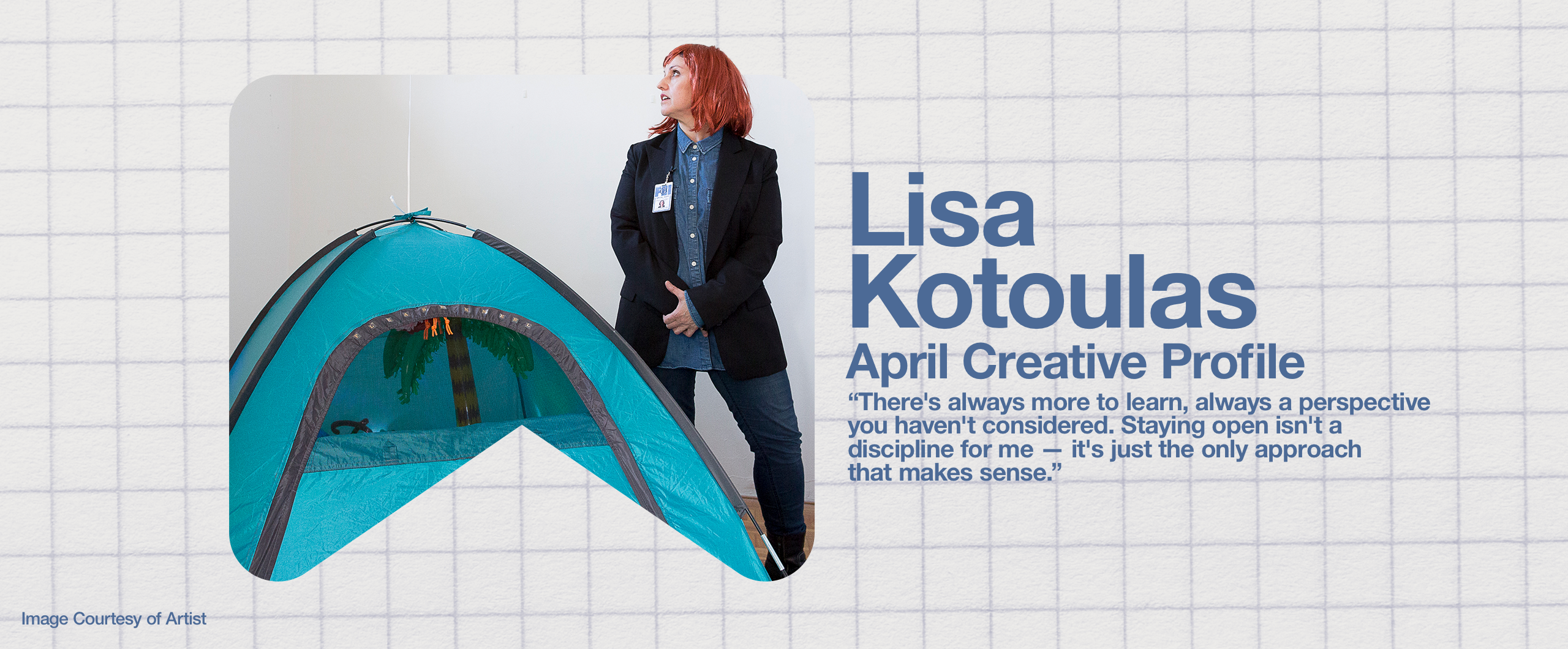
Lisa Kotoulas completed an undergraduate degree in Philosophy and Economics at UNSW in 1992, followed by a Master of Art (Painting) at UNSW Art & Design in 2012. Her academic background continues to inform a practice that balances critical thinking with emotional inquiry.
Kotoulas' work centres on questions of identity — particularly how it shifts in response to loss and change. Death and memory are recurring presences, not as fixed subjects but as ongoing conditions that shape how the living make sense of themselves. Humour and playfulness thread through even the most serious work, creating space for reflection without demanding resolution.
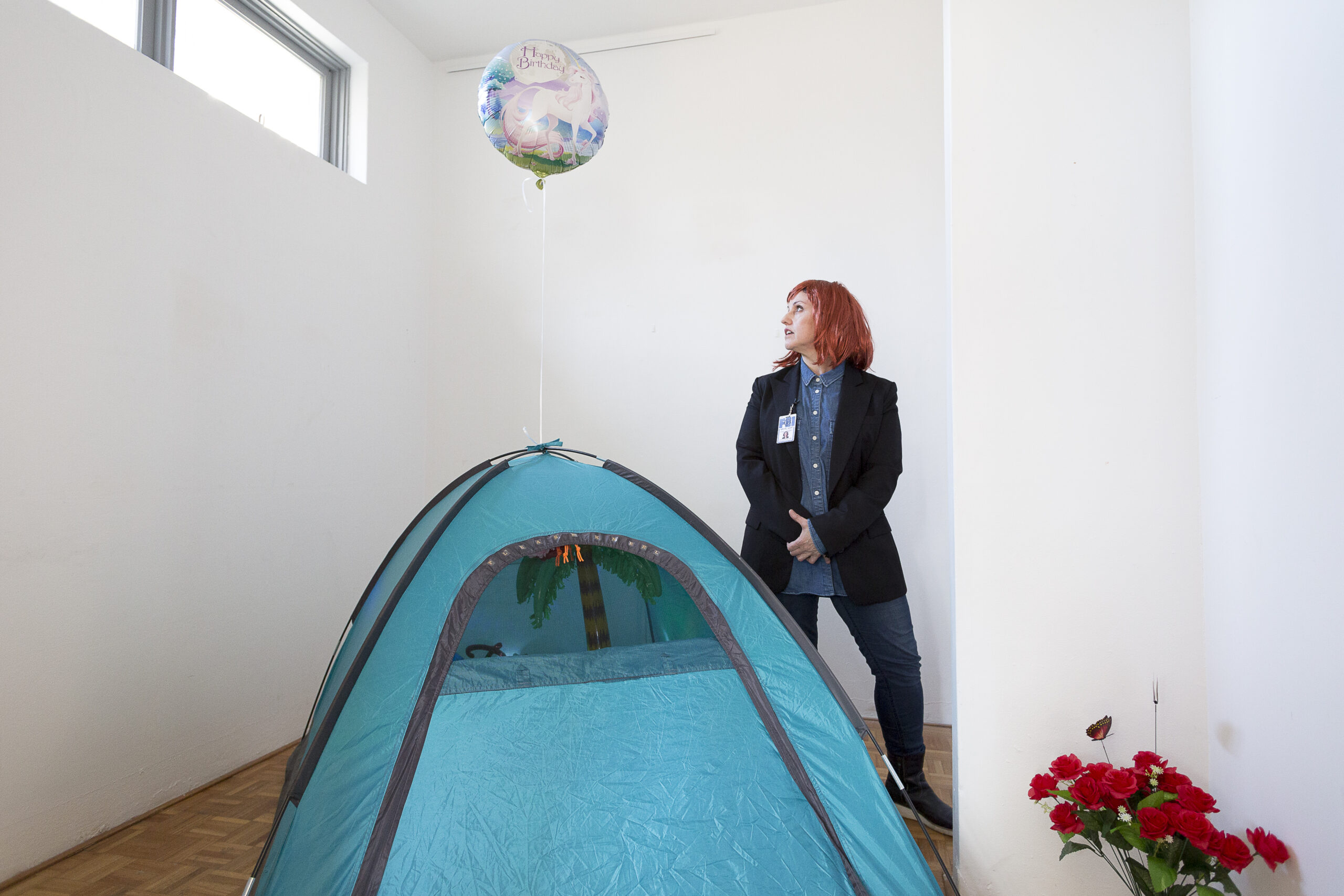
Photo Document Photography
What did you do in the 20 years between getting your BA in Philosophy and Economics from UNSW and graduating MA in Painting from COFA in 2012?
After graduating I went into corporate banking, then left when my first child was born. I'd always been creative, so I took up interior styling at Enmore TAFE — but juggling study and two young kids proved too difficult, particularly after my eldest daughter was diagnosed with Autism Spectrum Disorder. We committed to home-based therapy, which consumed everything. Then we lost her. She was six. My youngest was three. Grief became my full-time occupation. Painting was the only relief. Three hours a week where my mind went somewhere else. I moved from course to course, then decided to make it a career. What started as relief became the way I process things.
Your CV shows you've had at least one exhibition every year since 2009 until 2020. What have you been doing since then?
My mother was diagnosed with cancer in 2019 and I became her primary carer. Life got messy again. Since her passing I've been caring for my elderly father, while also trying to maintain a studio practice — submitting work, fielding rejection letters, occasionally showing up to openings, staying part of the conversation. It's a slow grind, but I persist.
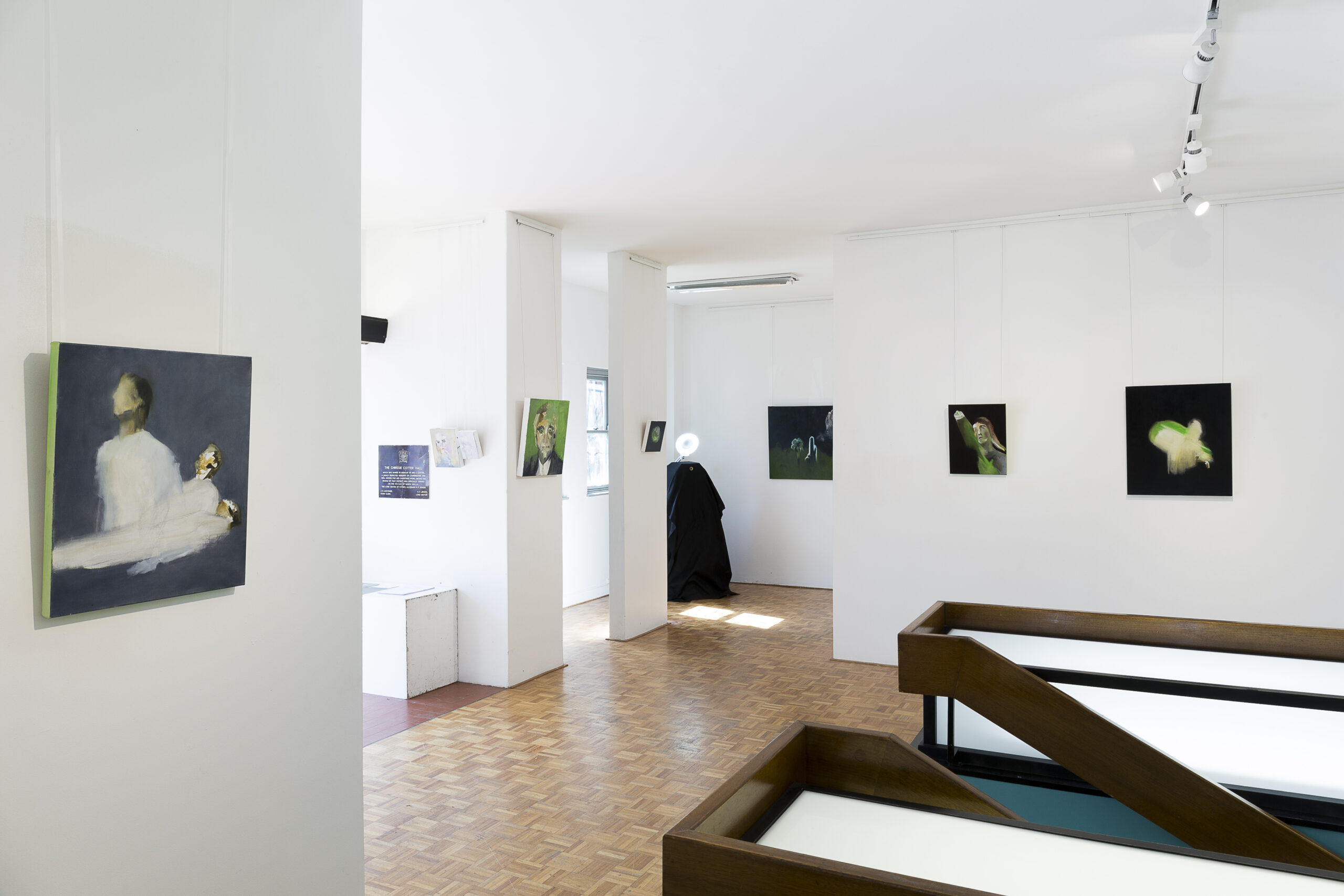
Photo Document Photography
Let's look at the issues raised in your important exhibition 'If You Think You Know Yourself, Think Again: the Problem With Self-Identity and Memory'. Why do you believe that memory is constantly reinvented?
Every time we recall something, there's a strong chance we are reinterpreting it rather than retrieving it intact. Memory isn't a recording — it's a reconstruction. We don't experience life as raw data — we shape it into stories, and those stories get revised as we change. The self doing the remembering at 50 is not the self who had the experience at 15. The memory will reflect the interpreter, not just the event. And the interpreter keeps changing. Values shift, relationships end, new experiences re-contextualise old ones. The event is fixed; the meaning isn't.
This is why the same memory can look completely different across a lifetime — not because hidden detail has surfaced, but because the person doing the looking has changed. It also explains why we remember feeling things we didn't feel at the time, or forget feelings we certainly did. Emotion isn't stored cleanly — it's reconstructed alongside everything else, shaped by who we've since become. In this sense, autobiography is always partly fiction. Not dishonest — but edited, interpreted. The life we remember is the life we've made sense of. And making sense is never a neutral act.
If memory is so unreliable, how do you think this impacts on our sense of our identity?
I genuinely struggle with identity for exactly that reason. On one hand it's liberating — if the self is fluid, you can change at any time. On the other, a lack of fixed identity can feel like a social anomaly. We're expected to be consistent, knowable, legible to others.
How do you think we build the identity that we make public?
We edit. It's natural to protect ourselves by keeping certain things back. The public self is always a curated version.
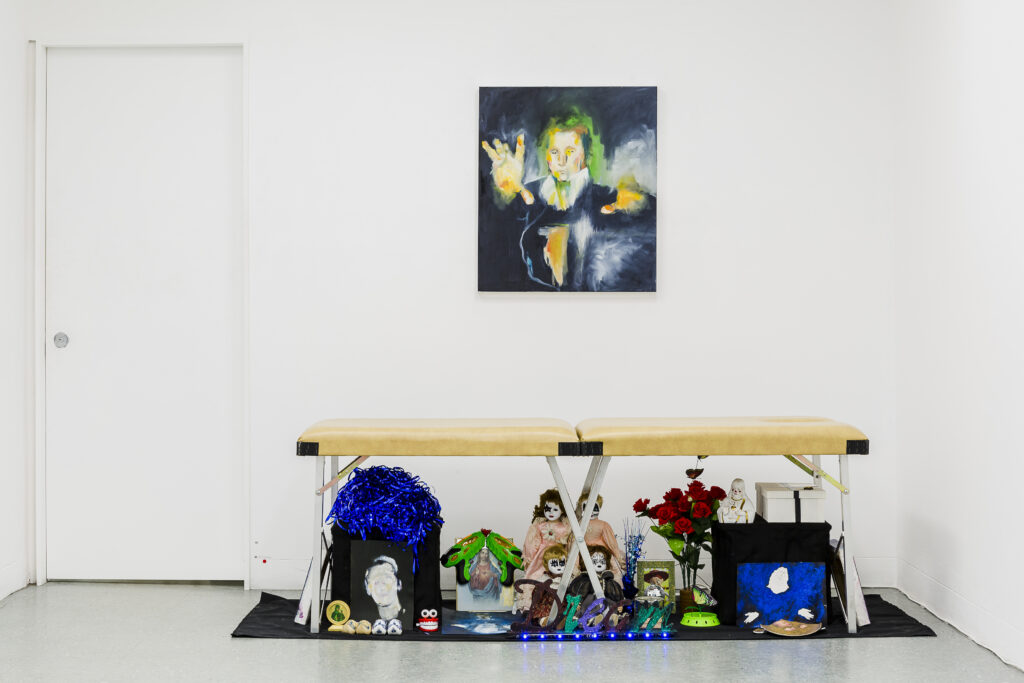
Photo Document Photography
Who do you think you are now and how did your story evolve over your lifetime?
I am the person sitting here, answering these questions, looking back at a past that shifts slightly every time I revisit it. Ask me tomorrow and the answers might be different. So might I.
As the author of your own life, is there a hero you are modelling yourself on?
Not really. What I look for is stories of resilience — how people move through adversity, what they hold onto, what they let go. There's a real strength in understanding how to get through things. I'm less interested in heroes than in people who keep going.
What are some key moments in your evolution as an artist?
Returning to uni was pivotal and gave me a framework. Everything else — the losses, the interruptions, the years away — gave me the material. Creating art can be difficult and when the professional knock-backs keep coming one after another, you really have to dig deep to continue. You park the rejection and get back to the work. It's the only thing that's actually within your control.
How do you maintain your curiosity and keep an open mind?
It would be arrogant not to. There's always more to learn, always a perspective you haven't considered. Staying open isn't a discipline for me — it's just the only approach that makes sense.
What keeps you motivated?
The unknown.
Tamara Winikoff is an independent consultant with extensive experience in arts advocacy, policy, and cultural leadership. She was a a founding member of the Inner West Creative Network and served as Executive Director of the National Association for the Visual Arts (NAVA) for 22 years, championing artists’ rights and sector development. As Co-convenor of ArtsPeak, she coordinated national arts policy initiatives. Previously, she managed the Community, Environment, Art and Design (CEAD) program at the Australia Council for the Arts and lectured in Cultural Environment and Heritage at Macquarie University. Based in Sydney, she continues to influence the cultural landscape through strategic consultancy.