
Creative Profile: Smith
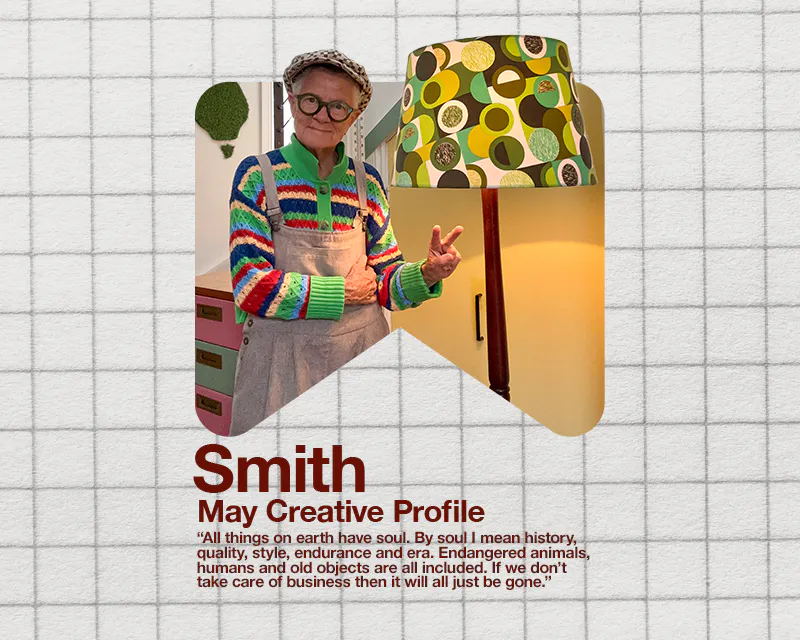
Smith had an early career working in the world of animal conservation where they spent many years as a safety and environment manager. In a career pivot, currently they are involved in furniture restoration and upcycling with a particular focus on lampshades and upholstery. They specialise in the retro, mid-twentieth century and industrial worlds. Their aim is to stop these classic designs going to landfill. They redesign when necessary but always remain true to the era of the object’s creation. They also work as a trainer and offer workshops guiding participants to develop their passion for upcycling by learning new skills.
Can you describe your current work in furniture rescue and restoration?
I am an upcycler of retro, mid-century and industrial furniture and art. I work from home in Tempe. All of my resources are second hand including fabrics, tools and paints. It gives me great pleasure to explore what’s possible in my quest to give new life to these precious items.
How do you find and choose the pieces to work on?
I am expert magpie. I find these pieces on the street, second hand stores, deceased estates, garage sales, swap meets and marketplaces. I try not to use anything new in my salvage and upcycle aspirations. I also have worked out what I can actually do with pieces that I rescue. These decisions rely on weight, condition, transport, upcycle possibilities and whether it is old with character. Then my imagination goes wild on me.
You have worked for some years at the waste reduction charity, The Bower in Marrickville. What do you do in that role? What do you try to teach others?
I started working as a sales person at the Bower Reuse and Repair Centre in Marrickville and then moved into workshops, where I teach upholstery, lampshades and furniture restoration. In these workshops I teach people upcycling skills such as the dos and don’ts of possibilities and how to upcycle with minimal disruption to the environment.
What skills does one need to do this work?
I have gained many skills in restoration and upcycling since I started in 2008. Many community members have helped me in my pursuit to save these precious items. All my skills have come from others including local community members, skilled staff from the Bower and the thousands of mistakes I have made in this process.
What is the most exciting piece you have discovered and why?
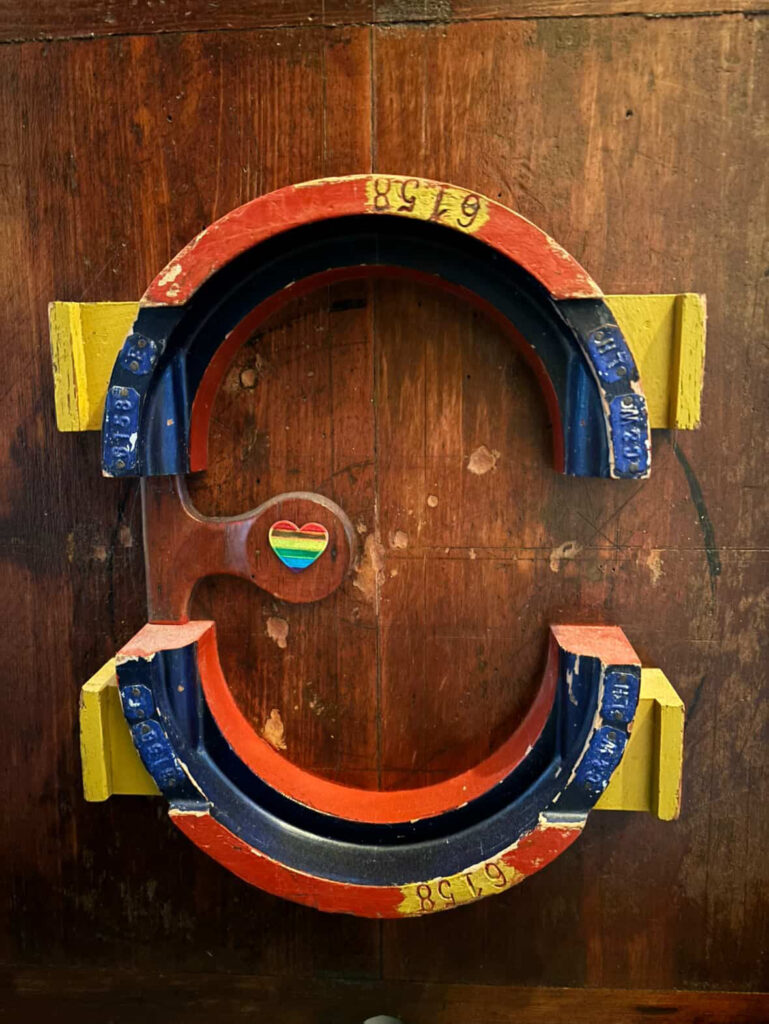
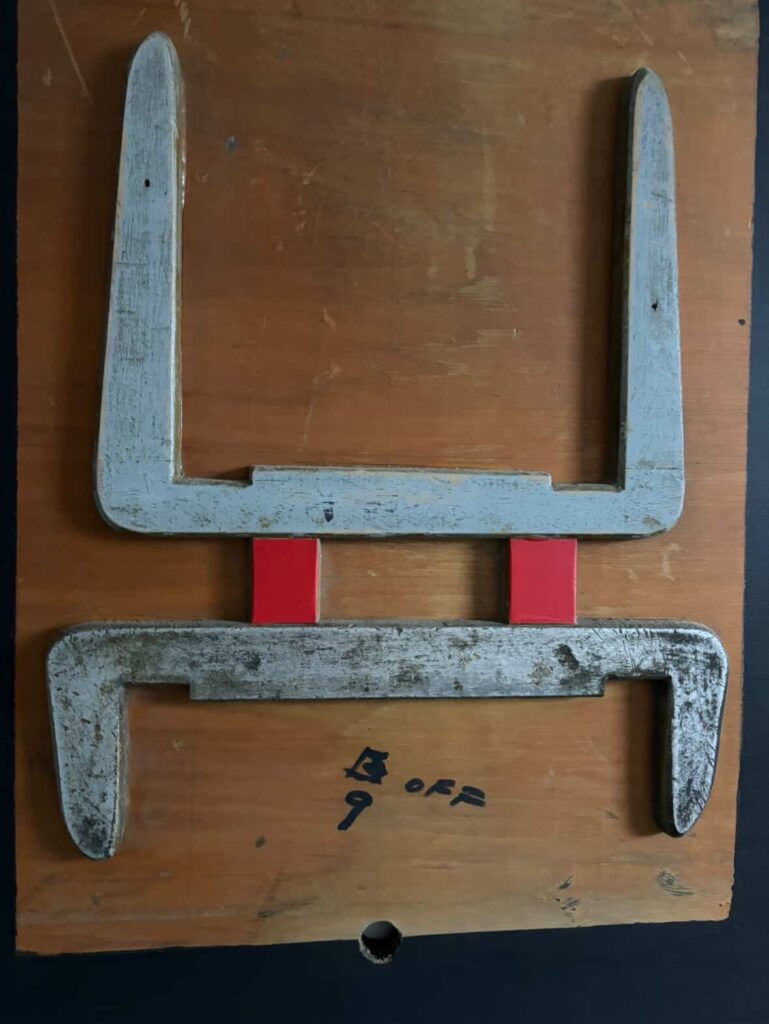
My most exciting acquisitions are the industrial foundry moulds on display in my exhibition ‘Steampunk Inception’ at Hopsters Cooperative Brewery in Enmore. They are so old and interesting. These all-timber structures were used to create casting patterns in sand. The cavities formed were then filled with molten metal. This technique has been used for centuries. These examples are mid-twentieth century and came from aviation workshops in Mascot or the old railway repair shops in Redfern. Now they have a new life as Steampunk wall art.
What are you intending to do as Artist- in- Residence at Hopsters ?
Hopsters gives me a great opportunity to display how Australia used different engineering techniques in the early industrial era. Industrial foundry moulds were used in Australia in the mid-century to form parts for machinery. They are truly rare, handmade and are all timber.
How do you convince yourself to let go of pieces you have spent many hours lovingly working on?
I am unable to keep everything I restore or upcycle. The difficult decision to move something on comes down to many factors such as love, need and want of these collections. Not to forget storage space. I primarily move my collection on through Instagram (retrosmith1), Marketplace, local Facebook sites, consignment at The Bower, garage sales, and return fans who love my stuff. I also donate to people who are doing it tough out there.
Why have you chosen now to work with inanimate things rather than living creatures?
I worked in the animal conservation world for many years. Now I work in the furniture conservation world. Both will result in significant environmental disasters if we don’t address these issues. In my previous position in animal conservation I was Safety and Environment Manager. This meant keeping staff and visitors safe in a very high risk arena and having a legal obligation with environmental responsibilities. Then I got old and moved to something which gave me as much pleasure yet still maintained my passion for trying to save our planet.
Do you think human made things like furniture have a soul?
All things on earth have soul. By soul I mean history, quality, style, endurance and era.
Endangered animals, humans and old objects are all included. If we don’t take care of business then it will all just be gone.
What is it about you that is drawn to good causes?
I am an environmentalist who strives for the cessation of landfill. I also teach others how to preserve these wonderful things and give them a new exciting life. The future drives me in every aspect and I target the younger generation as they are our future. I am not a religious person but I live a Buddhist life where I simply can’t be disrespectful to anything on this earth we live in.
https://www.instagram.com/retrosmith1
Tamara Winikoff is an independent consultant with extensive experience in arts advocacy, policy, and cultural leadership. She was a a founding member of the Inner West Creative Network and served as Executive Director of the National Association for the Visual Arts (NAVA) for 22 years, championing artists’ rights and sector development. As Co-convenor of ArtsPeak, she coordinated national arts policy initiatives. Previously, she managed the Community, Environment, Art and Design (CEAD) program at the Australia Council for the Arts and lectured in Cultural Environment and Heritage at Macquarie University. Based in Sydney, she continues to influence the cultural landscape through strategic consultancy.